Your Moscow trip when you land at the city's southern edge
Build a logical Moscow itinerary when your journey begins at the southern business aviation hub, moving from quiet canal districts to the Kremlin's medieval core.
- Flag
-
- ISO code
- RU
- Population
- 10,381,222
- Currency
- RUB
- Timezone
- Europe/Moscow
Starting Your Moscow Itinerary from Ostafyevo Airport
Ostafyevo sits eight kilometres south of the Moscow Automobile Ring Road, MKAD, in territory annexed to the city only in 2012. It is not Sheremetyevo or Domodedovo or Vnukovo. It is a former estate turned business aviation terminal, and arriving here instead of the big three airports changes the geometry of your trip. The Aeroexpress trains that connect those major hubs to central rail terminals do not run from Ostafyevo. Take a taxi. The drive along the M2 highway through the southern suburbs, past the MKAD boundary and into the city, takes 60 to 90 minutes in normal traffic. That arrival route deposits you not at a central station but somewhere south of the Garden Ring, the boundary of Moscow's Central Administrative Okrug. You need a plan that starts there and works north, not the conventional plan that starts at the Kremlin.
The single most useful fact for a Moscow itinerary from southern airport arrival is this: begin in Zamoskvorechye. That district sits on the opposite bank of the Moskva River from the Kremlin, inside the Garden Ring, and is reachable from your southern approach without backtracking. Everything else in central Moscow sits north or west of that point. Start at Red Square and you fight the same traffic twice. Zamoskvorechye gives you a quiet, canal-laced introduction to the city's scale and a logical northward trajectory through its medieval core into the theatrical intensity of Kitay-gorod and beyond.

Why Zamoskvorechye First
Zamoskvorechye means across the Moskva River. Its streets are narrower than Tverskoy's boulevards, its pace slower. The canals that thread through the district were built for drainage in the 18th century and now create the only part of central Moscow where you can walk for twenty minutes without hearing a highway. This is where you adjust to the city's scale without being crushed by it.
Tretyakov Gallery And The Ordynka Walk
The Tretyakov Gallery in Lavrushinsky Lane sits here. Budget three hours for the pre-1911 collection, which includes the full run of Russian painting from Andrei Rublev's icon of the Trinity through the Wanderers to Viktor Vasnetsov and Mikhail Vrubel. The 2026 ticket price for the main building is 800 RUB, set by the Moscow Kremlin Museums pricing authority. Book online at the gallery's own site. Same-day queues in peak season July and August can eat 45 minutes. Arrive at 10:00 when doors open and work clockwise from the ground floor. The hall of ancient Russian icons empties out by 11:00. Skip the New Tretyakov at Krymsky Val on this trip unless you are a dedicated Malevich fan. Its 20th-century collection deserves a separate day and you do not have one.
After the gallery, walk south along Bolshaya Ordynka toward the Moscow River embankment. The street is lined with pre-revolutionary merchant mansions, their facades less polished than those in Tverskoy but more revealing of the city's actual architectural history. At the embankment, turn east toward the Novokuznetskaya metro station. The walk takes about 25 minutes. Do not take a taxi. You are still calibrating the distances.
The Metro Jump to Kitay-Gorod
From Novokuznetskaya station, take the Zamoskvoretskaya line one stop north to Teatralnaya and transfer to the Sokolnicheskaya line for one more stop to Lubyanka. That single metro ride covers the psychological distance between the quiet south and the roaring centre. The Moscow Metro, which opened on 15 May 1935, now has 17 lines and 294 stations as of August 2026, carrying between 6.5 and 9.5 million passengers daily. Your one-stop hop costs 57 RUB with a Troika card, 81 RUB for the 90-minute ticket that allows bus and tram transfers. Buy the Troika at any station ticket machine. The deposit is 50 RUB and you top up with cash. Do not use a foreign bank card. Visa and Mastercard issued outside Russia have not worked since March 2022, and UnionPay cards from non-Russian banks are unreliable.
Kitay-Gorod is the medieval trading quarter east of Red Square. Its street pattern has not changed since the 16th century. The district's name has nothing to do with China. It comes from the old Russian word for the wicker frames used in early fortifications. Start at Varvarka Street, which runs downhill toward the river past the English Court, the Romanov boyar residence, and the Cathedral of the Sign. These buildings are older than most of what stands inside the Kremlin walls, and they are free to view from the outside. Walk them in 20 minutes, then cut north into Nikolskaya Street, a pedestrian lane lined with the kind of retail that makes Moscow feel like a capital that treats luxury goods as infrastructure. Nikolskaya delivers you directly to Red Square.
Red Square and the Economics of Attention
Red Square measures 23,100 square metres and forms part of the UNESCO World Heritage site inscribed in 1990. St Basil's Cathedral stands at its southern end. Do not queue to go inside the cathedral unless you are an architecture specialist. The interior is a maze of narrow corridors and small chapels, and the exterior is the point. Stand on the cobblestones facing the Kremlin's Spasskaya Tower at 11:00 when the morning light hits the onion domes. The GUM department store on the eastern side sells ice cream in summer and is worth entering for its 19th-century arcade structure alone, not for shopping. The Kremlin entrance for Cathedral Square is through the Kutafya Tower on the western side via Alexander Garden. You need three separate tickets. The Cathedral Square ensemble costs 800 RUB in 2026, the Armoury Chamber costs 1,200 RUB, and the Diamond Fund costs 1,000 RUB. Book all three online via kreml.ru at least three weeks ahead. On-site ticket sales are limited and timed entry slots vanish quickly. The Kremlin museums close every Thursday, and state events can shut the complex without notice.
From the Kremlin exit, walk south across the Bolshoy Moskvoretsky Bridge for the classic view back toward St Basil's with the river in the foreground. On the opposite bank lies Zaryadye Park, opened 9 September 2017 on 13 hectares that previously held the Rossiya Hotel. The park's core attraction is the 70-metre cantilevered floating bridge that extends over the river. Entry to the park is free. The paid attractions, the underground museum and the ice cave, require separate tickets and are not worth your time if you only have four days. Walk the bridge at sunset. June solstice offers 17 hours and 34 minutes of daylight, and the sun sets near 21:19. In December, daylight shrinks to seven hours with a 15:58 sunset and a mean temperature of minus 6.5 degrees Celsius. Adjust your schedule ruthlessly: in winter, the Kremlin, the Tretyakov, and one meal are all you fit between dawn and dark.
Building The Second Day
Your second day pushes further north and west. Take the metro from Kitay-Gorod to Kropotkinskaya for the Cathedral of Christ the Saviour. The colossal white rebuilt cathedral offers a panoramic roof. The elevator costs 200 RUB in cash and the view stretches from the Kremlin to the Moscow State University skyscraper on Sparrow Hills. From Kropotkinskaya, walk west along Prechistenka to the Pushkin State Museum of Fine Arts for its Impressionist and Old Master collections. Ticket prices vary by exhibition. Expect to pay between 400 and 600 RUB. After Pushkin, cross the street to the Muzeon Art Park, an open-air collection of Soviet statues removed after 1991. This sequence covers imperial, Soviet, and contemporary Moscow in a straight line. No backtracking.
Third Day: The Soviet And The Theatrical
Day three takes you north to VDNKh, the Soviet exhibition park that holds the Worker and Kolkhoz Woman statue and the sprawling pavilions of the former All-Union Agricultural Exhibition. Reach it by metro to VDNKh station on the Kaluzhsko-Rizhskaya line. Budget two hours for the grounds alone. In the evening, book the Bolshoi Theatre at Teatralnaya metro. Tickets require booking months in advance. The Bolshoi's ticket office in 2026 still sells some same-day returns for the upper balcony at 500 to 1,200 RUB, but those are for the determined. If you cannot get Bolshoi tickets, choose a performance at the Moscow Conservatory or the Stanislavsky and Nemirovich-Danchenko Theatre. The quality is comparable, availability better.
Fourth Day: The Exit From The South
Your final morning should be spent in Kolomenskoye, the former tsar's estate on the southern edge of the city. The wooden palace and riverside parkland sit conveniently near the route back to Ostafyevo. Take the metro to Kolomenskaya station on the Zamoskvoretskaya line. The grounds are free. The palace interior costs 300 RUB. From Kolomenskoye, a taxi to Ostafyevo takes 30 minutes outside peak traffic. This arrangement keeps your departure route identical to your arrival route, eliminating the possibility that you misjudge travel time across the city and miss your flight.

| Day | Morning | Afternoon | Evening |
|---|---|---|---|
| 1 | Arrive Ostafyevo, taxi to Zamoskvorechye, Tretyakov Gallery 10:00-13:00 | Walk Bolshaya Ordynka, metro to Kitay-Gorod, explore Varvarka and Nikolskaya streets | Red Square sunset at St Basil's, Zaryadye Park floating bridge |
| 2 | Cathedral of Christ the Saviour 09:00, panoramic roof | Pushkin State Museum of Fine Arts, Muzeon Art Park | Bolshoi Theatre or Moscow Conservatory performance |
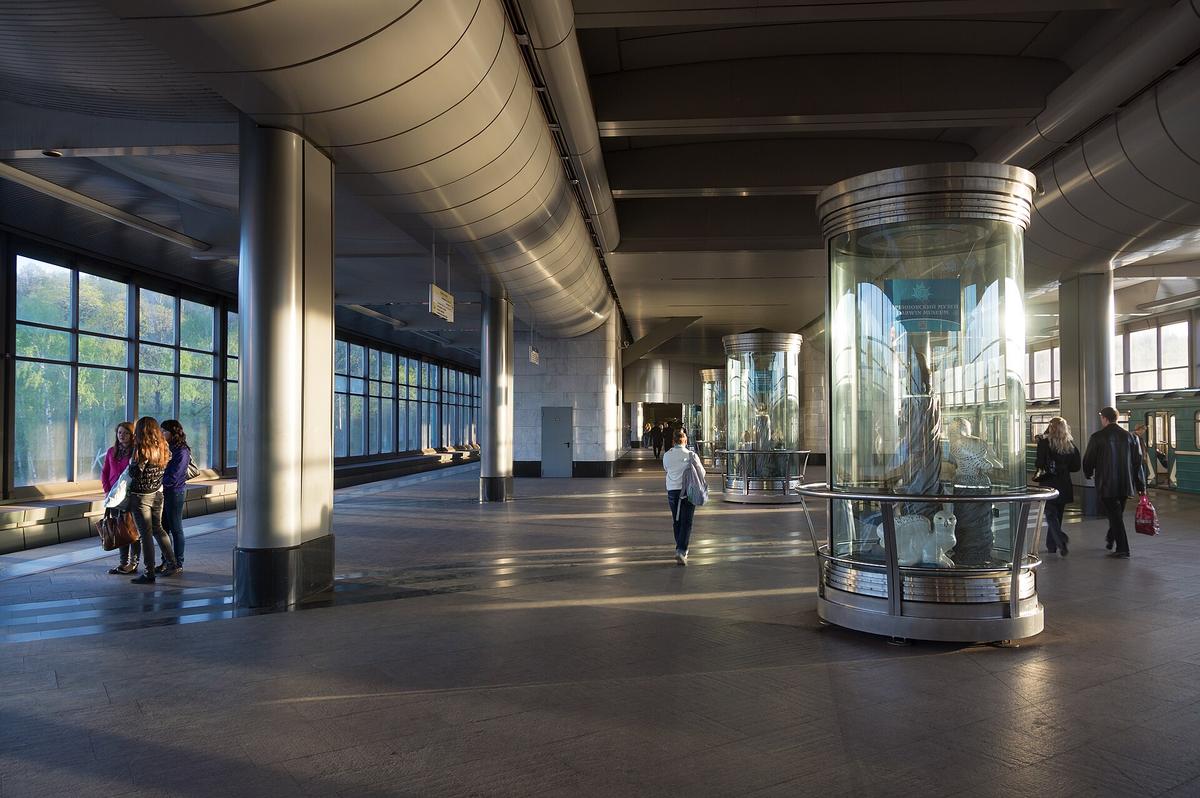
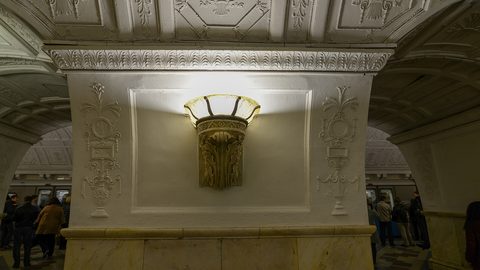
| 3 | VDNKh Soviet exhibition park 10:00-12:00 | Metro architecture tour: Mayakovskaya, Komsomolskaya, Ploshchad Revolyutsii stations | Dinner in Kitay-Gorod, Nikolskaya Street |
| 4 | Kolomenskoye estate 09:00-11:00 | Taxi to Ostafyevo 11:30 arrival | Departure |
Who This Trip Suits and Who Should Reroute
This south-to-north itinerary works for the traveller who arrives via business aviation and wants to see the Kremlin, Red Square, the Tretyakov, and one Soviet landmark without fighting the city's layout. It suits history buffs and architecture obsessives who will accept that Moscow is not a walkable European city and that distances must be managed by metro, not by foot. The 2026 single metro fare is 57 RUB with a Troika card, and the system runs from approximately 05:30 to 01:00. Use it.
It does not suit spontaneous travellers on a tight budget. Moscow in 2026 is a cash-only city for foreign visitors, with a minimum 3 to 8 percent spread on every exchange and no functioning international card payments. The city covers 2,561.5 square kilometres with 13.1 million residents. Its service culture is formal and unsmiling. If you want an intimate, laid-back European city break, choose somewhere else. If you want a four-day encounter with the largest country's most theatrical capital, start in the south and work north. You will not waste a single kilometre of backtracking.
More on Moscow
-
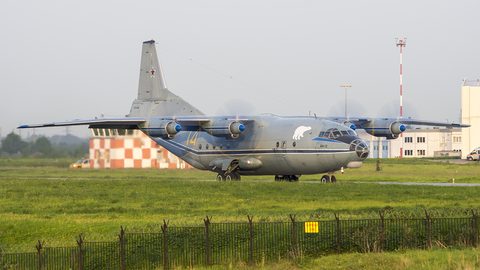 Arriving by Business Jet at Ostafyevo What Passengers Should Expect
A practical guide to Arriving by Business Jet at Ostafyevo What Passengers Should Expect.
-
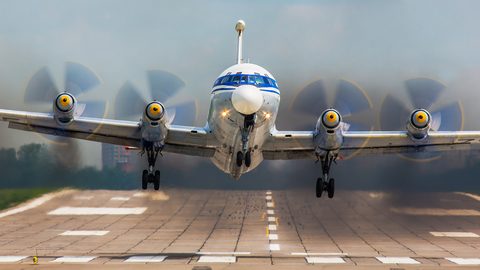 Ostafyevo Airport to Central Moscow Every Practical Route
A practical guide to Ostafyevo Airport to Central Moscow Every Practical Route.
-
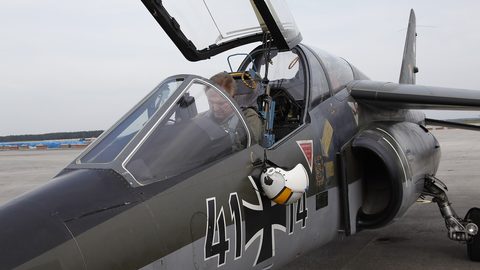 Business Aviation at Ostafyevo Airport Moscow FBO and Handling
A detailed overview of the Gazprom Avia FBO at Ostafyevo Airport, covering ground handling, fuel, crew facilities, and VIP passenger processing.
-
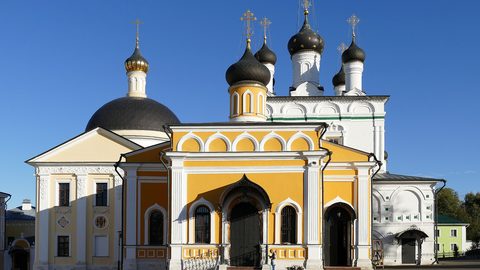 Dubrovitsy Church Near Podolsk the Strangest Building in Moscow Region
The story of Dubrovitsy's bizarre crown-topped church near Podolsk, its scandalous history, and how to visit this Moscow region architectural oddity.
-
 Ostafyevo vs Vnukovo Airport for Moscow Travelers Compared
Ostafyevo serves Gazprom corporate jets and private charters south of Moscow, while Vnukovo is a full international airport with scheduled flights and Aeroexpress trains.
-
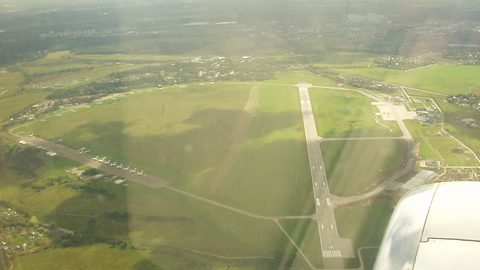 Ostafyevo Airport Guide for Moscow Travellers Flying Business Aviation
Ostafyevo Airport near Moscow is a business-aviation facility and Gazprom Avia base, not a commercial passenger airport. Here is what that means for your travel plans.
-
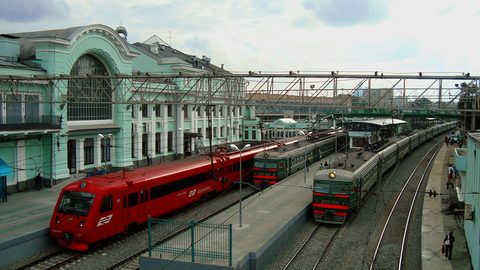 Getting from Ostafyevo Airport to Central Moscow by Road and Rail
Ostafyevo Airport has no direct rail link to Moscow. Your options are a taxi via the M2 highway or a short ride to Shcherbinka station for a suburban train.
-
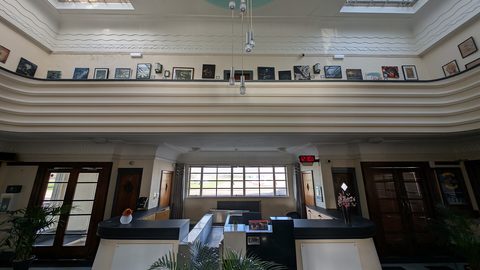 Inside the Ostafyevo Airport Terminal Before Your Flight from Moscow
The Ostafyevo Airport terminal is a compact business-aviation building with basic check-in and a single security lane. Do not expect shops, lounges, or dining.
-
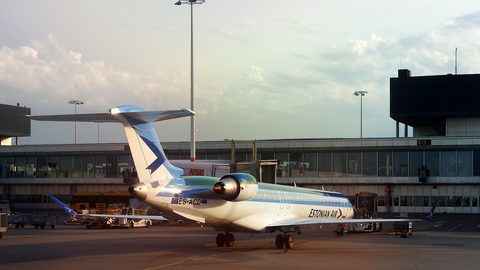 Airlines Operating from Ostafyevo Airport and Where They Fly
Gazprom Avia is the main airline at Ostafyevo Airport, with limited scheduled flights for industry workers. Charter and business-aviation operators make up the rest.
-
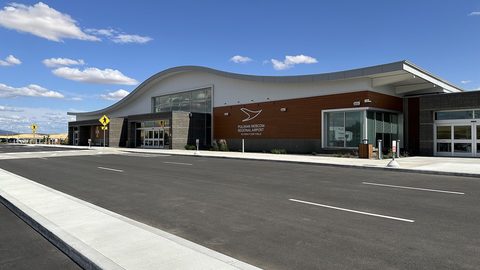 Ostafyevo vs Sheremetyevo Domodedovo Vnukovo and Zhukovsky Airports
Ostafyevo is a business-aviation airport and does not compete with Sheremetyevo, Domodedovo, Vnukovo, or Zhukovsky for commercial passenger flights. Here is the comparison.
-
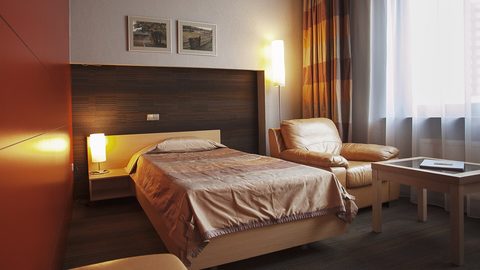 Hotels Near Ostafyevo Airport in Podolsk and Shcherbinka Moscow Region
No hotels sit at Ostafyevo Airport itself. Podolsk offers the nearest proper accommodation, Shcherbinka has limited options, and southern Moscow is a viable alternative.
-
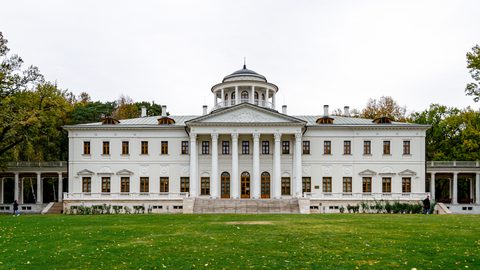 Ostafyevo Estate the Russian Parnassus Near Moscow Airport of the Same Name
The Ostafyevo Estate near Podolsk is the Russian Parnassus that gave Moscow Ostafyevo Airport its name. Karamzin wrote his great history here and Pushkin visited often.
-
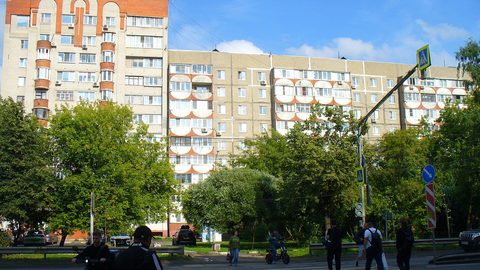 Podolsk Moscow Region Town Guide Near Ostafyevo Airport and What to See
Podolsk is the Moscow satellite town beside Ostafyevo Airport, with a Trinity Cathedral, a local museum, and the extraordinary Dubrovitsy baroque church nearby.
-
 Flying Into Russia Now Visas Sanctions Payments and the Practical Position
The practical position on Russian visas, sanctions-era payment methods, and what to prepare before flying into Moscow or any Russian airport.
-
 Ostafyevo Airport History From Military Airfield to Gazprom Business Hub
Ostafyevo airport began as an NKVD airfield on a former princely estate. The story of how Gazprom turned it into a business aviation base.
-
 Ostafyevo Airport Code OSF and UUMO What They Mean When Booking
Ostafyevo airport uses two codes: OSF for passenger bookings and UUMO for aviation operations. What each means and when they matter.
-
 Plane Spotting at Ostafyevo Airport What Parks There and Where to Stand
Where to legally stand for plane spotting at Ostafyevo airport, what business jets park there, and how to photograph the Gazprom fleet safely.
-
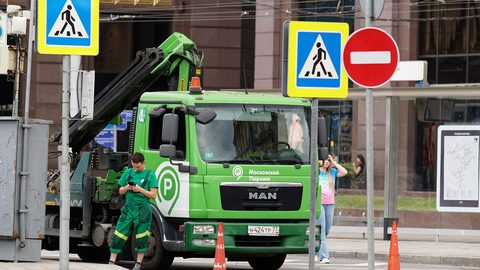 Getting Between Moscow Airports Including Ostafyevo OSF
A transfer matrix covering every route between Ostafyevo Airport and Moscow's four other airports, with taxi times, costs, and rail alternatives.
Common Questions
How do I get from Ostafyevo to central Moscow without an Aeroexpress train?
You take a taxi arranged through Yandex Go. Download and install the app before you arrive, because Russian app stores block VPN downloads locally. The drive to the Garden Ring boundary costs 1,500 to 2,500 RUB and takes 60 to 90 minutes in normal traffic, 90 to 120 minutes during the 08:00 to 11:00 or 17:00 to 20:00 rush windows.
Can I use my foreign credit card for the metro or at museums?
No. Visa, Mastercard, and American Express cards issued outside Russia have not been accepted since March 2022. UnionPay cards from non-Russian banks are unreliable. You must carry cash in rubles, exchanged from US dollars or euros at exchange points that charge a 3 to 8 percent spread. Metro fares require a Troika card bought with cash. Museum tickets should be booked online with a Russian-issued Mir card or paid in cash on site.
How much time should I budget for the Tretyakov Gallery?
Three hours minimum for the pre-1911 collection in the main building on Lavrushinsky Lane. The 2026 adult ticket costs 800 RUB. Arrive at 10:00 when doors open and go directly to the hall of ancient Russian icons on the ground floor. The queue for same-day tickets in July and August can add 45 minutes, so book online.
Is St Basil's Cathedral worth going inside?
Only if you are an architecture specialist. The interior is a tight maze of low corridors and small chapels. The exterior, viewed from Red Square at 11:00 in morning light, is the attraction. Do not queue for the interior if you have fewer than four days in Moscow.
What is the fastest route from Zamoskvorechye to Kitay-Gorod?
Take the Zamoskvoretskaya line from Novokuznetskaya one stop north to Teatralnaya, transfer to the Sokolnicheskaya line one stop to Lubyanka. Total time from platform to platform: 12 minutes. Fare: 57 RUB with a Troika card.
Should I visit the New Tretyakov Gallery on Krymsky Val?
Skip it unless Malevich's Black Square is your sole reason for the trip. The 20th-century collection deserves a full day, and you do not have one. The pre-1911 collection at the main Tretyakov building is the priority.
How do I avoid face control rejection at bars and clubs?
Dress sharply. Men should wear collared shirts and closed-toe shoes. No sportswear, no trainers, no shorts even in summer. Face control, called feiskontrol in Russian, is enforced arbitrarily at higher-end venues. If you are turned away, do not argue. Walk to the next bar. Kitay-Gorod has dozens of options within five minutes' walk.
Read next
-
 Hotels Near Ostafyevo Airport With Transfer Times and Routes
A ranked list of hotels and guesthouses near Ostafyevo Airport in Podolsk and Shcherbinka, each with accurate Yandex Go transfer times.
-
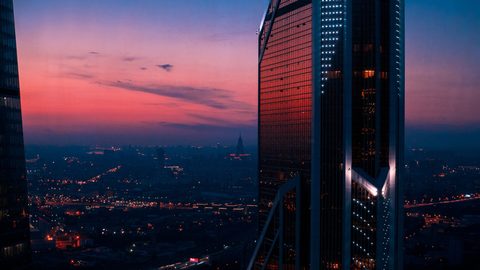 Where to Stay Near Ostafyevo Airport and When to Stay in Moscow Instead
Hotels near Ostafyevo airport in Podolsk and Shcherbinka versus staying in central Moscow. The commute, the costs, and when each choice works.
-
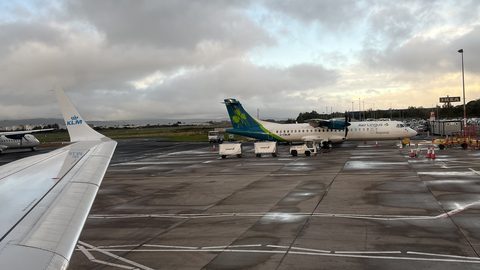 Scheduled Flights and Charter Operators at Ostafyevo Airport Moscow
A clear guide to scheduled and charter flight operators at Ostafyevo Airport, including Gazprom Avia routes and how to book seats at OSF.
-
 Things to Do Near Ostafyevo Airport and What Is Worth the Trip Into Town
What to see near Ostafyevo airport including the estate museum and Dubrovitsy Church, and which Moscow icons are worth the trip into the centre.
-
 Best Time to Visit Moscow From the Southern Side of the City
Moscow's seasons from the southern approach: White Nights in June, golden autumn in the parks, and why January's Orthodox Christmas shuts the city down.
-
 Moscow Transport From Ostafyevo Airport Getting Into the City and Around
From Ostafyevo airport to central Moscow by Yandex Go taxi or via Shcherbinka station and elektrichka. Realistic times, costs, and Metro connections.
-
 Russia travel realities entry rules movement and what to expect now
A clear-eyed look at Russian visa invitation letters, SIM card registration, VPN requirements, and payment realities for foreign travellers right now.
-
Arriving by Business Jet at Ostafyevo What Passengers Should Expect
A practical guide to Arriving by Business Jet at Ostafyevo What Passengers Should Expect.
-
Ostafyevo Airport to Central Moscow Every Practical Route
A practical guide to Ostafyevo Airport to Central Moscow Every Practical Route.